
Reconstitution
Reconstitution is crucial for effective peptide use. Learn how to properly prepare your peptides for maximum efficacy.


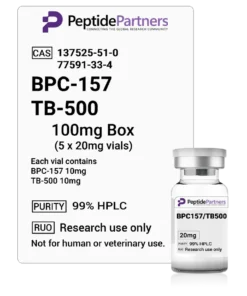
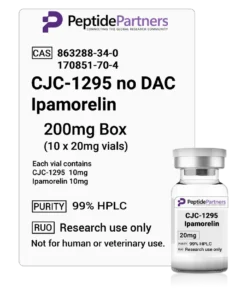

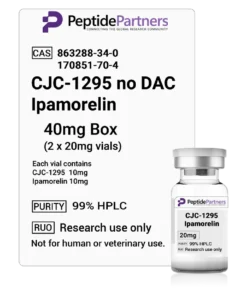
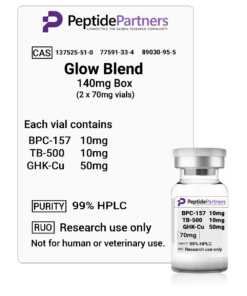
Understanding Reconstitution
Reconstitution is the process of dissolving a powdered peptide in a suitable solvent to create a solution for injection or other uses. This step is vital to ensure that the peptide remains stable and effective. Proper techniques can enhance the peptide's bioavailability and effectiveness.
Choosing the Right Vials
When selecting vials for reconstitution, consider factors such as material compatibility, size, and seal integrity. Glass vials are often preferred for their inert properties, while plastic options may be more cost-effective. Ensure that the vials you choose can withstand the solvents used in reconstitution.
Practical Tips for Reconstitution
Always follow the manufacturer's instructions for reconstitution. Use sterile techniques to avoid contamination, and store reconstituted peptides according to guidelines to maintain their potency.
Reconstitution Highlights
- Ensures peptide stability and effectiveness
- Compatible with various solvents
- Available in different sizes
- Sterile and safe for use
- Easy to use for both beginners and professionals
Reconstitution FAQs
What is reconstitution in peptides?
Reconstitution in peptides refers to the process of dissolving a powdered peptide in a solvent to create a solution that can be injected or used in other applications. This step is essential for activating the peptide's properties.
How do I properly reconstitute a peptide?
To properly reconstitute a peptide, follow the manufacturer's instructions carefully. Typically, you will add a specific volume of sterile solvent to the vial containing the peptide powder, gently swirl to mix, and avoid vigorous shaking.
What types of vials are best for reconstitution?
The best vials for reconstitution are usually glass vials due to their inert nature, which prevents reactions with the solvent. However, high-quality plastic vials can also be used if they are compatible with the solvent.