
reconstitution
Reconstitution is vital for peptide preparation, ensuring effective use of your products. Learn how to properly reconstitute vials for optimal results.

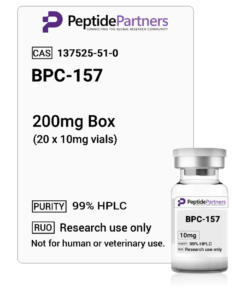
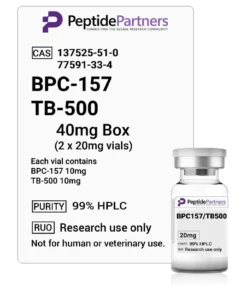

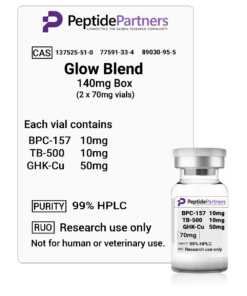
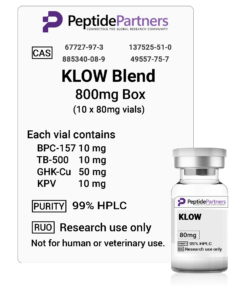
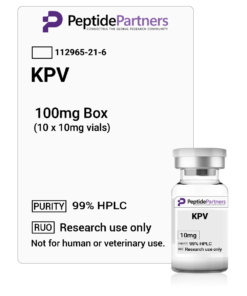
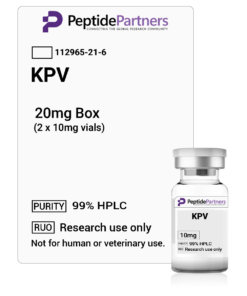
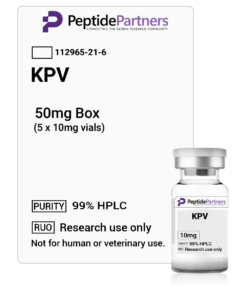
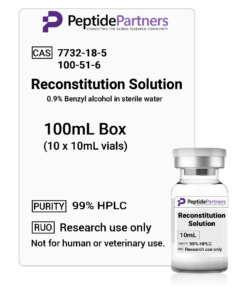
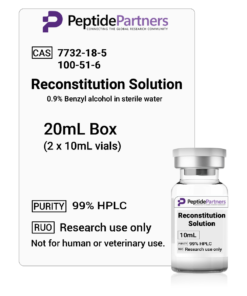

Understanding Reconstitution
Reconstitution refers to the process of adding a solvent to a lyophilized (freeze-dried) substance, such as peptides, to restore it to a liquid form. This is essential for proper usage, as many peptides come in powdered form and require careful handling.
Why is Reconstitution Important?
Proper reconstitution ensures that the peptide maintains its efficacy and stability. Incorrect methods can lead to degradation or loss of potency. Always follow specific guidelines for each peptide to ensure optimal results.
How to Reconstitute Peptides
Start by sanitizing your workspace and gathering all necessary materials. Use a sterile syringe to add the appropriate amount of diluent to the vial. Swirl gently to mix, avoiding vigorous shaking to prevent foaming. Always refer to the product instructions for precise details.
reconstitution Highlights
- Ensures peptide efficacy and stability
- Easy-to-follow reconstitution guidelines
- Suitable for various peptide types
- Minimizes risk of degradation
- Professional-grade preparation methods
reconstitution FAQs
What is reconstitution?
Reconstitution is the process of adding a solvent to a lyophilized peptide to restore it to a liquid state, making it ready for use.
Why is proper reconstitution important?
Proper reconstitution is crucial as it ensures the peptide retains its potency and effectiveness, preventing degradation.
How do I reconstitute a peptide?
To reconstitute a peptide, add the specified amount of diluent to the vial, swirl gently to mix, and avoid vigorous shaking.